In a weak-mayor system, some municipal mayors get to oversee a police department.
The first thing that I remember after being sworn in was being whisked away and handed two internal police investigations. I was curious, energized, ready to learn, and ready to lead. The mayor paid less than $100 a month, so my day job was in Healthcare IT, helping improve processes and procedures. How hard could government be? I got involved to see how and why the government worked the way that it did. It was an educational experience.
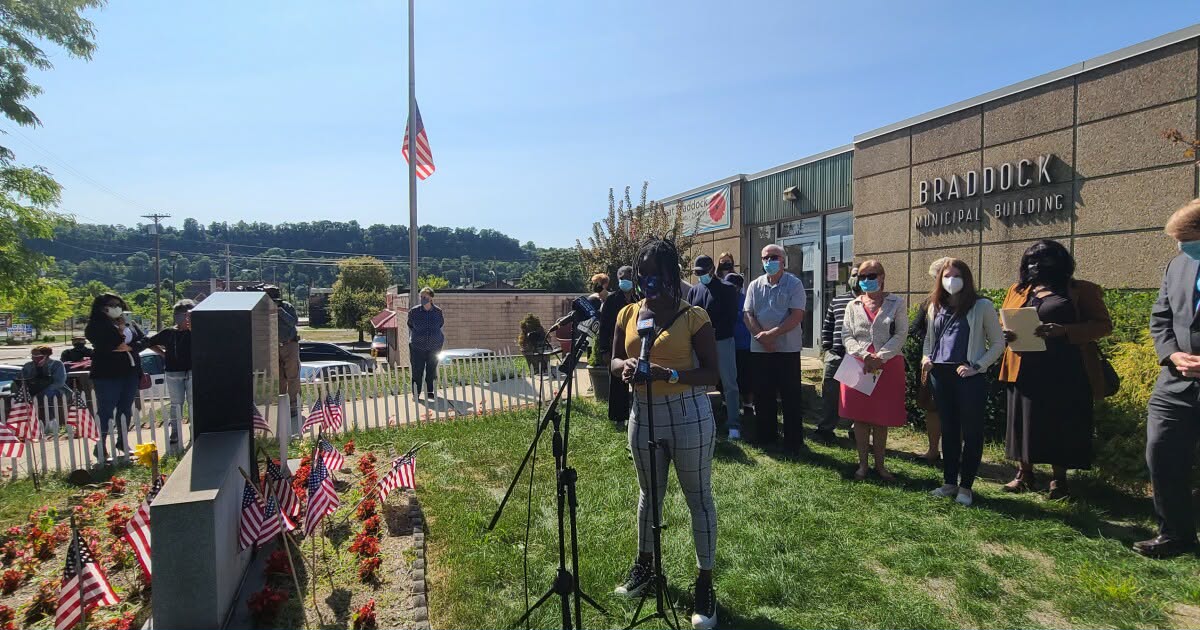
The first order of business was to gather the officers. I wanted to meet the only department that the mayor got to oversee (pre-Home Rule Charter). I set up a meet and greet with our small but mighty part-time workforce, and about 6-7 officers showed up. I don’t know if it was because I insisted that the meeting be mandatory or because they were also curious. I printed out copies of their job description, introduced myself, and I was introduced to them one by one. Then we asked questions. That’s where it got a little intense. I asked why quality of life citations weren’t a thing and gave the example of cars on the sidewalk forcing wheelchair users to ride in the street.
“We aren’t the parking police,” I remember an officer responding, and me pushing back as public safety/parking was indeed in the job description.
I hadn’t expected to be interviewing officers for jobs with no access to software to do adequate background checks. I would Google candidates, call their former employer, and then, when interview day came, I would just ask all the questions. “Why Braddock? Why part-time? How do you handle different situations? Do you measure success?” The big one was always “Have you ever had trouble at one of your previous jobs?”
Looking back at it, that probably wasn’t enough, but I was 29, sitting in a police station, doing the best with what I had.
On my lunch breaks, I would sometimes come to the station to interview officers. I lived on the same street as the police department, so I would also come down when they needed their computers fixed or when the security camera company people wanted to meet. It was a unique dynamic/process. I interviewed officers, the chief monitored/approved timesheets, the borough manager cut the checks, and the council oversaw that the borough manager and the chief were doing what they were supposed to be doing. There were way too many people involved in the process. It was one of the reasons that I advocated for Home Rule.
Before I was a mayor, I was a Home Rule Commissioner who knew that too many processes were flawed. I was fighting for a regionalized police department with a council that despised the idea. Meanwhile, the system we had needed less hands involved.
My mediation experience prepared me for problems between officers, for midday pep talks with officers who asked to speak with me, and for navigating being written off a lot because people equated youth with naivety.
“Why don’t you go to crime scenes? The last mayor went to crime scenes?” My first crime scene was my last. I was sharing the car with my boyfriend, so I walked around the corner to the boat launch, where they had just identified a body. They had a social media photo of the victim, and I didn’t know the person. It turns out that they weren’t from Braddock. In a small town where everyone knows everyone, word spread fast.
Growing up here my entire life, I know that Braddock is more than crime scenes. Going to a crime scene wouldn’t make the family feel better. Going to a crime scene wouldn’t undo the crime. It felt extractive, and I was and still am into adding to my community. I am not a gimmick. I am Chardae’ Jones, a life-long resident of Braddock (except for my one-year sabbatical as a flight attendant living in New York). My grandfather grew roots in Braddock, fixing cars at the auto shop he owned, and my grandma worked at the grocery store that existed before it was a food desert. My family owned Margie’s Corner Bar, named after my grandma Margie. I grew up going to Comet News for candy, Al’s Market before school, and sitting at the table with my pappy almost every morning, eating baked goods from Jenny Lee, reading the newspaper, and pretending that I liked Folgers. Braddock is the people, not the place. That’s why we can play six degrees of separation. Leaving and never coming back was never an option.
In a way, it was perfect that I knew the community so well. Interviewing officers gave me an opportunity to see how they would fit into such a tight-knit community. Growing up as a kid, we knew Braddock Police Officers by name, and the officers may not have known our names, but they knew our parents’ names.
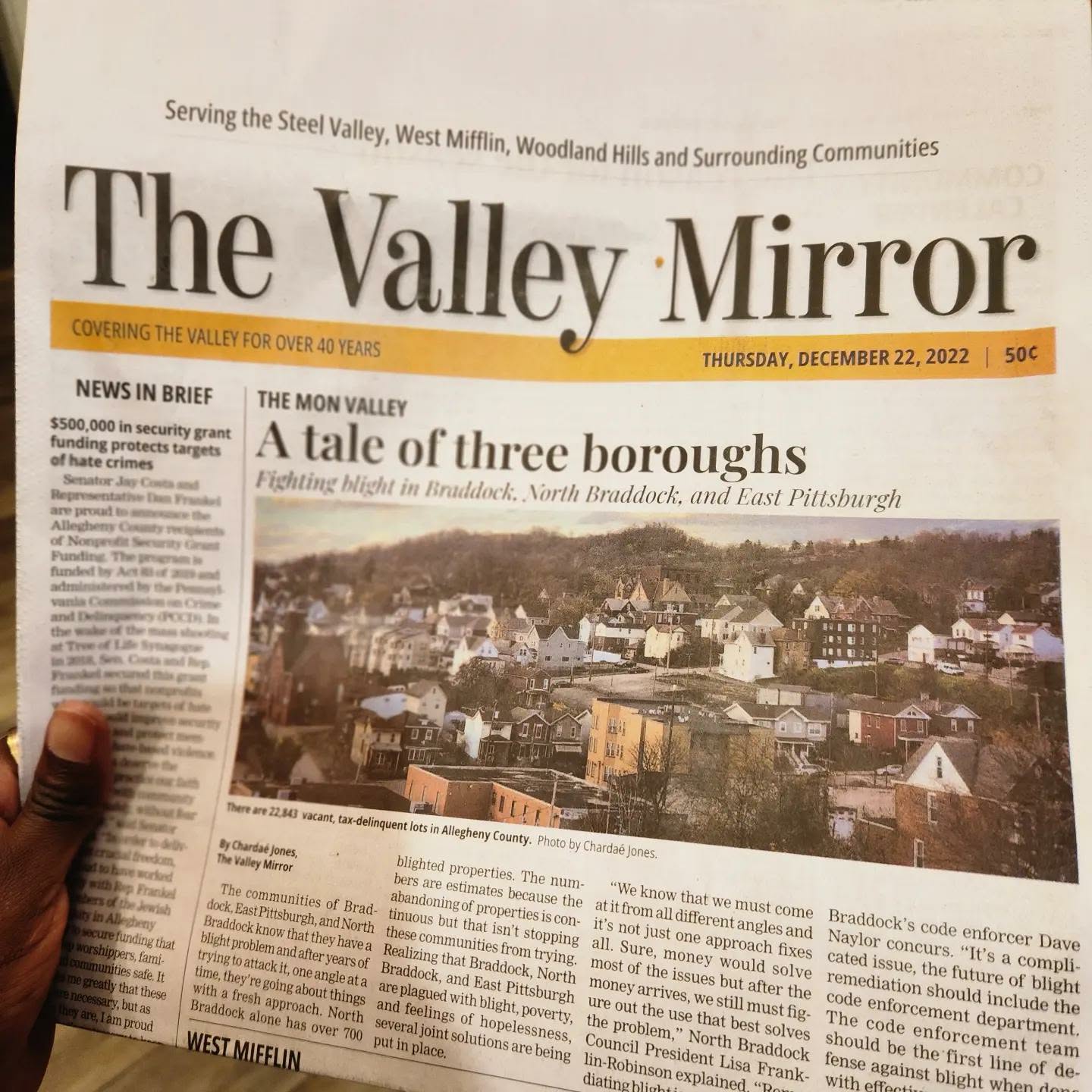
It was a transition when Home Rule finally went through. The mayor no longer got to oversee the police department. That was passed on to the borough manager, who cut the checks. One less person in the chain of command was supposed to make the process from hours to paychecks simple. Council oversaw the borough manager overseeing the police department. In a community that didn’t like policing but liked public safety, it was a balancing act. Eventually, after the third attempt since the 90s, a regional police department was established. It needed to happen the second time, but no one was ready to hear that one full-time police department was better than four part-time police departments that shared the same pool of officers.
You don’t construct culture; you cultivate it like a garden, tending to the seeds of communication, trust, and respect. Culture is organic, and throwing money at it won’t make it grow any faster. @justdae
Discover more from OMG It's Just Daé
Subscribe to get the latest posts sent to your email.
 OMG It's Just Daé