The pandemic, the response, the local government academy classes canceled, and the mayor’s first lawsuit
“We’ll flatten the curve,” those words still haunt me. The hair on my arms still raises when those words are arranged in that order. I had just gotten back from a New Orleans Mardi Gras Trip for my birthday when the world shut down. It was so chaotic that I didn’t even bother getting my refund from VRBO because one of their hosts gave the party fleas and left us to find a place to stay while we were on vacation.
I came home, and the optimist in me believed in the people in charge, which I no longer do. “21 days, we just need 21 days to flatten the curve.” The United States was very confident in that curve; meanwhile, other countries were hunkering down and got a head start on sheltering in place. Capitalism had to capitalize in the US, and our government initially thought that capitalism was immune to COVID. It was not. And worst of all, the people who were going to pay the highest price for our federal government’s song and dance were going to be the poor communities, who ironically would house the most “essential workers.” Reflecting on it, Governor Wolf and his team had an amazing response to the pandemic with the information that they had.
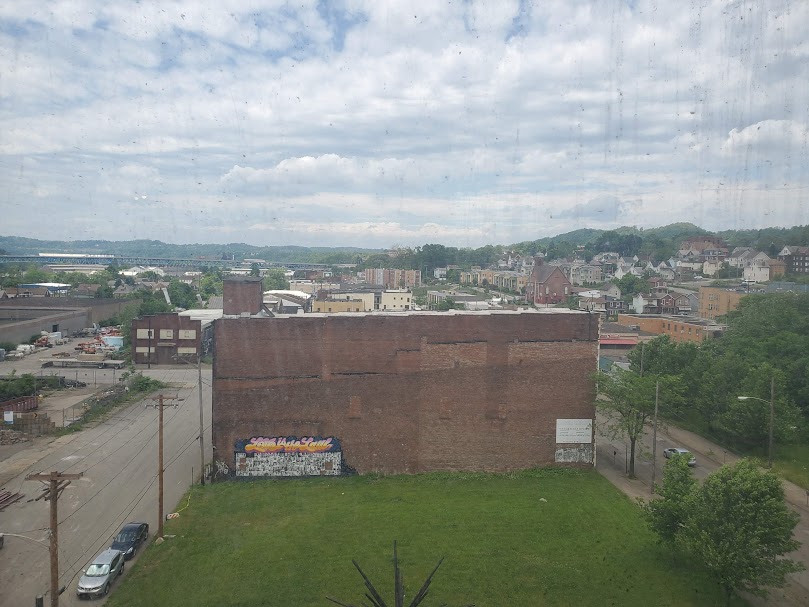
My Local Government Academy semester got canceled before it could even start to teach me the basics of being a local official. It was as chaotic for municipal elected officials as it was for the everyday person because, beyond how to wash your hands, no one agreed on much of anything. We had never declared a pandemic before, and we not only got an active crash course in declaring one but also in navigating an emergency while in office.
Red light, yellow light, green light, felt like that elementary game on a statewide scale. Governor Wolf had us in the red or yellow on the Wednesday before Thanksgiving because, apparently, we drink a lot that day. He banned the sale of alcohol after 5 pm statewide on that Wednesday. Meanwhile, I was getting emails from the Allegheny County Health Department telling me that Braddock was one of the least vaccinated areas. Was I surprised? No. I didn’t need my healthcare IT Business analyst hat to know in a town of 1100 people who were mostly elderly and had no access to cars, that Braddock, PA was the least Covid vaccinated area in Allegheny County. We don’t have a hospital, and the doctor’s office had limited hours, and urgent care was for emergencies only, and emergencies were happening being that we were in the middle of a crisis.
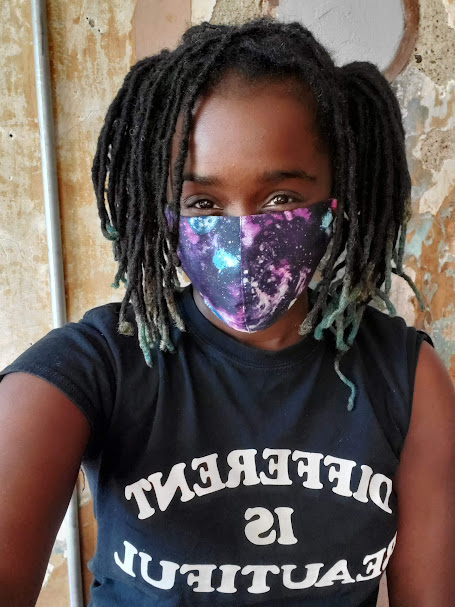
After calling Lt. Governor Fetterman and emailing his office to receive radio static, I leaned on my healthcare background. I wrote a director at Highmark and explained my conflict of interest and offered not to get paid to work the pop-up clinics that they were proposing. They allowed me to use my paid volunteer days, and I became a Covid Vaccine Community Ambassador to the Braddock COVID-19 clinics. There were so many people who made this happen that years later, I didn’t care that the Lt. Gov responded with “That’s not the Lt. Governor’s job.”
“It is when you live in said town,” was my first thought, but instead, I just went forward with standing on not endorsing him. My thought process for why is completely another story for another day.
Meanwhile, while we were planning this and working against the systematic history of Black People and new vaccines, that Wednesday, Braddock was usually packed. Legally, I can’t say the business and won’t, as they don’t deserve the attention, but one business was hosting a karaoke night during a global pandemic. There was allegedly free alcohol, and pandemic or no pandemic, that sounds like a hot mess express. The police showed up, and that’s how I got sued for being a reverse racist (exact words were defamation and racially motivated) during a pandemic. Attending virtual court was interesting to say the least. It didn’t go very far, as I had said nothing that wasn’t already publicly said, but the business. It was exhausting, and the borough funds were spent on a frivolous lawsuit during a global crisis.
The people of Braddock pulled through during the pandemic. One thing that I’ve learned is that we handle crises very well. A group of us banded together and created a free Uber-like system that dropped off food pantry food to elderly people who were afraid, immobile, and or immunocompromised. The cool thing about a small community is that almost everyone knows everyone and everybody’s business. We delivered food, spread love and resources, and avoided spreading COVID as much as possible. We may not have had everything, but we had each other.
Now Braddock is a town of approximately 1900 people with a median age of 33. I just hope that the next generation keeps that sense of community and that the newer people are aware of what they have.
“There are things about growing up in a small town that you can’t necessarily quantify.” – Brandon Routh
Discover more from OMG It's Just Daé
Subscribe to get the latest posts sent to your email.

